My Time in Latvia: A Year of Living Fruitfully

It sounds almost whimsical, if not straight-up naive. The U.S. State Department told us, in so many words, “As an English Language Fellow, living and teaching overseas, you’ll be engaging in ‘Soft Diplomacy’ on behalf of your country.”
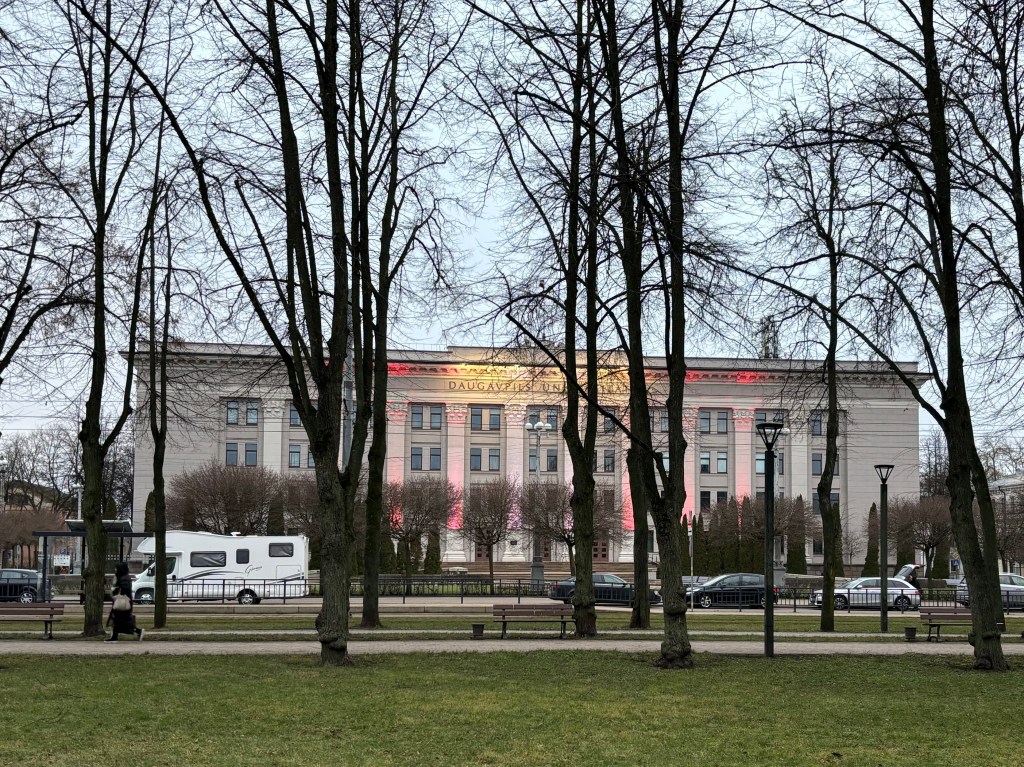
The “Old Building” on the campus of Daugavpils University

Yesterday, after a 10-month stint teaching at a university in a remote city, here in Latvia, I found myself walking through a park here in Riga at about dusk. I was in a reflective mood, leaving Latvia as I am, early tomorrow morning. Twilight, I find, is the time when taking photos is best–the light is perfect for clarity, for colors, and for capturing the “essence” of things. It feels like an apt metaphor for my year here–I was somehow able to capture and appreciate the essence of my relationships with students and colleagues. It was a year of relationships, rather than simply transactions. Latvians, I’ve come to learn, see themselves as a bit distant at first, slow to connect with others. But once they do, they really make those connections real. 

The Economic Challenges Here

And, keeping it real, we should talk about the economy here. These days, Latvia’s economy seems stalled, taking a backseat to the other two Baltic States, Estonia and Lithuania. Yes, the capital, Riga, does feel upbeat and vibrant. But for the country overall, that’s a chimera. My home city here, Daugavpils, far to the east near the borders with both Belarus and Russia, is watching its population decline, and has been for years. The handsome city, while dignified and proud, is dotted with abandoned buildings. In 1993 when the Soviet Union withdrew, factories began closing. Many locals felt that the E.U. didn’t want the cheap competition that Latvian production offered, so rather than investing in a sustainable economy, they started sending Euros to largely pacify the locals. This did little to build a Latvian economy for the long run.
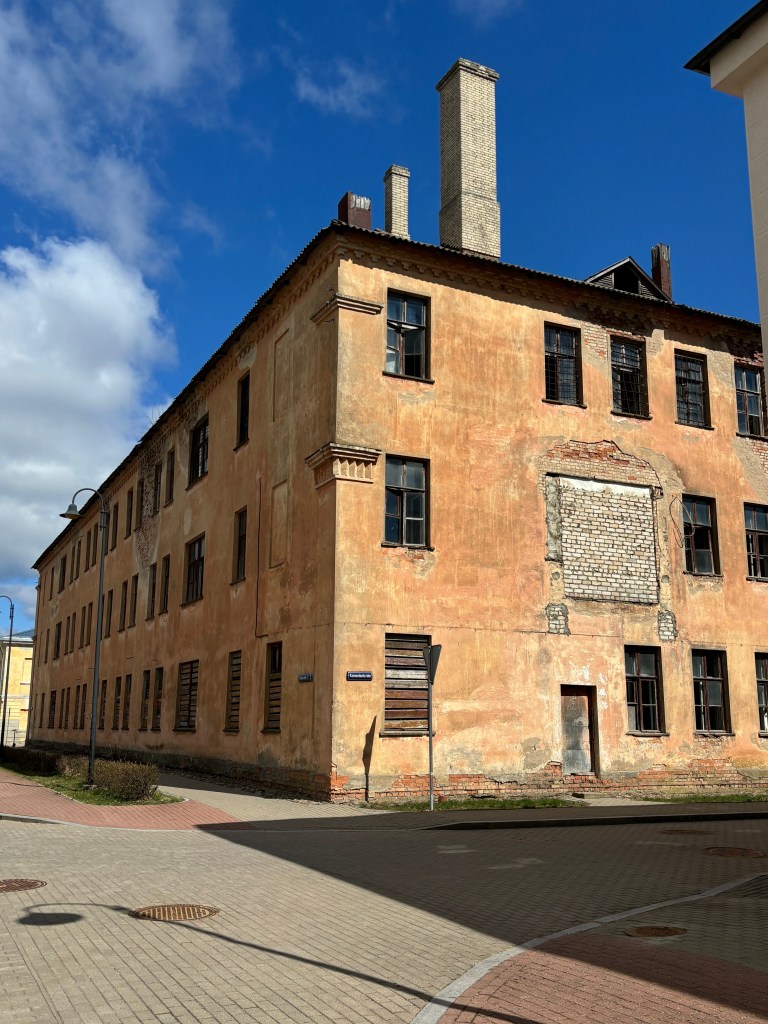
An abandoned building within the City’s historic Fortress. There are many throughout the city

Meanwhile, Estonia, just to the north, historically more aligned with Finland and the rest of Scandinavia, saw their economy take off. Lithuania, bordering on Latvia’s south, is currently, by most accounts , experiencing an economic renaissance. It’s vibrant capital city, Vilnius, was named “Europe’s Green City for 2025,” recognizing its progress along environmental criteria such as: increased miles of bike and pedestrian paths, hotels that have met strict environmental standards, and park expansions. Lithuanian “youth,” the group of citizens 30-years old and younger, have been rated as the “happiest” youth cohort in the world for the 2nd straight year, according to the World Happiness Report published by the United Nations.

I’ve repeatedly queried my Latvian friends about these economic differences amongst Estonia, Lithuania and Latvia, natural bedfellows as they are. While their answers are nuanced, there is an unmistakable theme: in the end, the cultures and the people are quite different. While the Estonians have historically looked north toward Finland, and Lithuanians gazed west toward Germany and Poland, Latvia peered eastward toward Russia, and as a result, the culture has been largely influenced by that country. Well, what does that really mean? What are the consequences of having been more aligned with Russia and the Soviet Union all those years?

One answer came from one of my students this year–let’s call him Rich. Rich is a bit older and more experienced than my other undergraduate students who are mostly in their late teens and twenties. He had once lived in the Chicago area for 6-months. What struck him profoundly, he recalled, was what he observed taking place after snow storms. He noticed that municipal vehicles immediately came by to efficiently plow the snow from the streets, then shortly after the plowing, residents armed with shovels, diligently cleared their driveways and sidewalks. OK, I wondered, so what’s unusual about this? But Rich continued. You’d never see residents here grab their shovels and in civic-unison take care of removing snow from their homes and sidewalks. Instead, he said, they would be sitting around waiting, complaining and criticizing their government for lack of action. It was, he explained, more of a Russian-style approach to dealing with civic matters: watching, waiting for someone to come do something, and then complaining…

Not a few Latvians have criticized their own culture as the key obstacle to turning their economy around. The complaining and concomitant lack of action is one challenge, but so too is what they perceive as graft. E.U. funds, which come in massive amounts to support projects like train systems, highway modernization and other development initiatives, get siphoned into the pockets of politicians and cronies at every turn. This apparently is well-known by nearly everyone I spoke with. Moreover, many Latvians say, it is at epidemic levels in Latvia–far worse than in either Estonia and Lithuania where, they say, more of the money from the E.U. actually gets to the projects they were earmarked for.

Daugavpils, Latvia’s 2nd Largest City

You get a predictable reaction from many Latvians, most often one of subtle condescension, when you mention the city of Daugavpils. They seemingly judge the 80%, or so, of the area’s ethnic Russians, and Russian speakers, as “a problem.” In actuality, as bigotry often proves to be when “poked-at” a bit, the people of Daugavpils are almost always, in turn, welcoming, kind, curious and appreciative of having an American in their midst.

But there was one boundary that my understanding could never seem to cross. Whether it was cultural, existential, language-related, or a combination of factors, I’ll never know for certain. That is, how people really feel about the loss of their Jewish residents during the first half of the twentieth century. Jews, during that era, once comprised almost 60% of the local population. In fact, the city of Daugavpils boasted 55-synagogues of various sizes. There must have been at least one on every block. The main Street, Riga Street, was mostly comprised of Jewish-owned shops on both sides of its quarter-mile commercial stretch. But, that’s all a distant memory today and Jewish places of worship are now down to one solitary synagogue–sitting handsomely and proudly, as it does, on a quiet corner in the middle of the city.
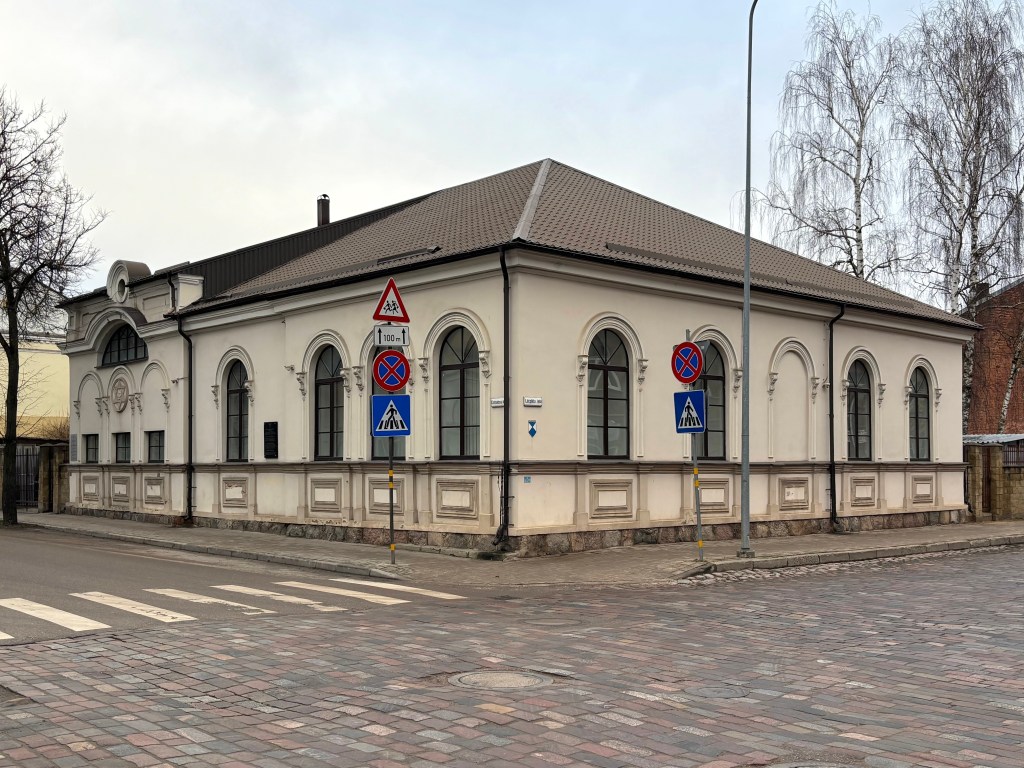
The last remaining synagogue in Daugavpils

That somewhat tragic historical chasm aside, Daugavpils is a comfortable, almost seductive, place to live. The general kindness and support of the people there were not lost on me. Like the quiet trams that criss-cross the city, my comings and goings invariably went smoothly and without incident. Some of this social “seamlessness” was, no doubt, a reflection of my own approach and experience. Having previously spent extensive time living and teaching in South Korea and Hungary, and traveling through nearly 80-countries (but who’s counting?) has helped me avoid behaving like the “Ugly American.”

Final Reflections

The lion’s share of what made my time in Daugavpils so pleasurable and rewarding was, no doubt, due to the Latvians themselves–their kindness, consideration and pride–the latter being particularly unmistakable. Latvia is, in fact, a beautiful place, a country of hundreds of lakes and endless forests, of rich traditions and countless hopes, many of which. for Latvians, remain frustratingly unfulfilled.

Yours truly at the Stropu Lake tram stop

Standard

The Emotional Values Auction

“I found the method both creative and deeply meaningful, and it offered a refreshing perspective on how emotional values can be integrated into language teaching.” -Latvian English Teacher

“…unlike any traditional language teaching activity I had encountered before. Based on a conceptual art project, the session introduced the idea of using personal items that hold emotional value as a basis for classroom interaction. Students bring in meaningful objects, write emotional statements about them, and participate in an ‘auction’ by bidding with their own reflections. I found this approach fascinating as it blends reading, writing, speaking, and listening skills in a highly personal and emotionally engaging way. It encourages students to be vulnerable, empathetic, and expressive—qualities that are often underdeveloped in language classrooms.” -English Teacher in training from Turkey

“I was really inspired by your Emotional Values Auction idea…It was absolutely awesome! You were able to make me think about those aspects that have remained in the shadows to this day.” -Estonian English Teacher 

“The Emotional Values Auction” was not just about giving away objects but it was about sharing pieces of the heart. That made it truly unforgettable. It showed me that emotional value can often outweigh material worth, and that the act of giving can be even more meaningful when it’s based on understanding and empathy.” – Undergraduate Education student from Turkey

Introduction

An Emotional Values Auction (EVA) is a new, unique, and innovative methodology for teaching English. Based on a conceptual art process originally conceived of by Portland, Maine (USA), artist Adriane Herman, it replicates the structure of an actual auction. The process incorporates student skill development in the areas of writing, listening, reading, speaking and presenting. The context is both cognitive and emotional, as the students consider items to submit to an in-class auction that represent their experience with, for example, the emotions of generosity, pride, happiness, or loss. Students present their items to the class and expand on their experiences by telling their stories. Other students “bid” on the items that they feel a connection to. “Bids” are made by writing about why they think they would be good stewards for receiving the items “up for auction.” The submitted “bids” are reviewed by the original student donating their item, and that person selects the final recipient. No money is exchanged. The “currency” is shared experience and learning. Students report positive levels of satisfaction with the process based on several factors.

From a Unique Art Concept to an ESL Teaching Methodology

During the summer of 2023 while a friend was visiting from out of town, he suggested we take-in an art show in Portland, Maine. We expected a typical art show, but instead, found we had entered an art experience called an “Emotional Value Auction.” In consisted of displayed items that people were “letting go of” that had emotional value to them. The items were accompanied by written statements from the owners about what the item meant to them, and why they felt it was time to “let it go.” It was fascinatingly eclectic, that is, it included items as varied as a grandmother’s old flannel shirt, an antique leather diary, even an unused B-B Gun rifle from the early 1980’s.

Displaying “generosity,” an English student enters her artwork
into the auction.

Because it was an auction, you could “bid” on any item if you were somehow desirous of it. A visitor to this so-called Emotional Value Auction, could submit a “bid” on any item, or multiple items, by writing a statement about why they felt connected to it. The “bids” were collected during the several weeks the auction was underway and eventually they were given to the respective person who had originally submitted the item to the auction. That person would subsequently review all the “bids” placed on their item and select the one that “moved them,” or appealed to them, the most. The item was then awarded to that person.

Another English language student after her successful bid.

I thought that this process could effectively be adapted to an ESL teaching methodology, one that helped develop the skills of reading, writing, speaking, listening and even presenting. So, I designed an approach and piloted it last Fall in two of my English classes at Daugavpils University in Latvia. The results were amazing.

Follow-up evaluations indicated that students both valued and enjoyed the process more than other learning activities they had experienced while learning English. Furthermore, and to my surprise, students reported that the Emotional Values Auction process revealed aspects of classmates they had not known previously, for example, their interests, hobbies and skills. And as a result, many felt that the class had become a closer group of learners.

Since that semester, I have implemented the EMA is several additional Spring classes. The results have been similar, that is, students report enjoying the learning process, while at the same time, enhancing their English language skills, acquiring new related vocabulary, and reporting similar group development outcomes.

Recent Developments in the Baltic States English Teaching Community

A trio comprised of two U.S. State Department English Language Fellows (ELF’s), and a Specialist, developed a so-called “Road Show,” where we offered training for regional English educators hosted by area educational institutions. We dubbed these trainings, “mini-conferences,” as the participants were offered the opportunity to attend two-workshops on a Saturday or Friday morning. The Emotional Values Auction was one of these workshops, intended to introduce the methodology to teachers and to provide a Teacher’s Guide as follow-up to interested attendees. These workshops have been offered in Wroclaw in Poland, at the University of Tartu in Estonia, in Riga at the University of Latvia, and in Daugavpils. The reception to the methodology has been highly favorable as indicated by the representative comments quoted at the outset of this post.

Alfred Mercier, a noted early American playwright, novelist and philosopher, who spoke five-languages, said, “What we learn with pleasure we never forget.” The Emotional Values Auction process seeks to combine the cognitive aspects of language learning with a focus on emotions all while providing students with a fun and memorable learning experience.

If you are an educator, or have further interest in the Emotional Values Auction process, and would like a copy of the accompanying Teachers’ Guide, please contact Steven Schuit: Schuitstephen33@gmail.com

Emotional Values Auction Process: How it works

Standard

Baltic Windows

I feel that it is healthier to look out at the world through a window than through a mirror. Otherwise, all you see is yourself and whatever is behind you.” Bill Withers

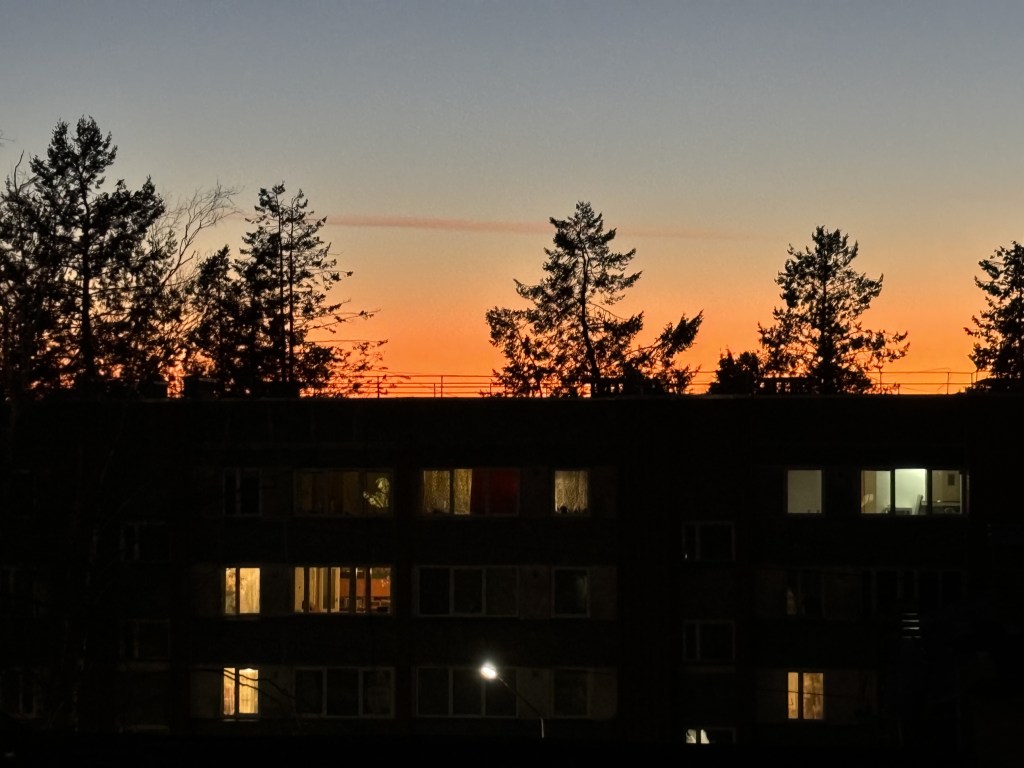
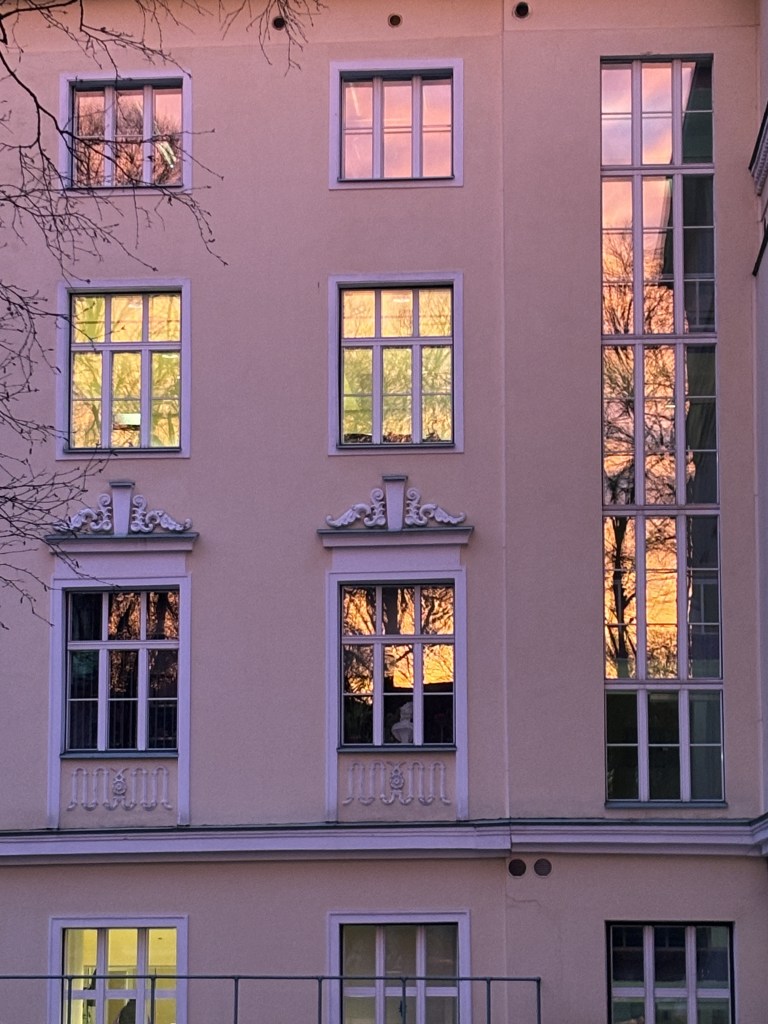
The windows of local residential flats as seen from a hallway near one of my classrooms (Daugavpils, Latvia)
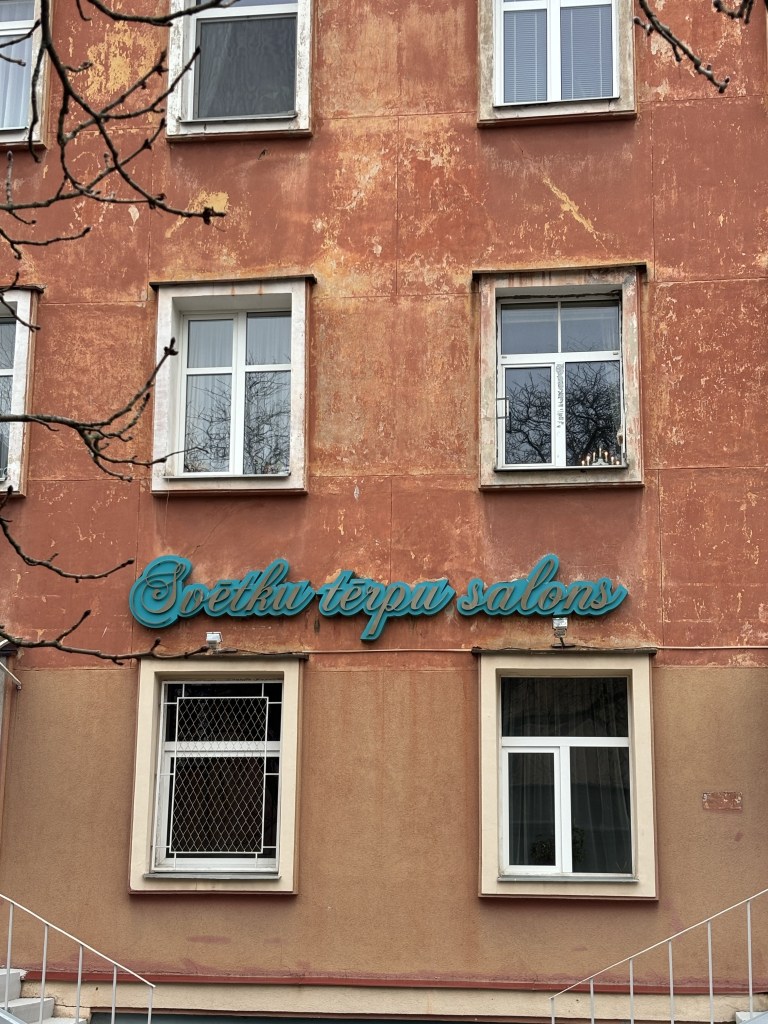
Side windows of a Stalin-era building along. November Street, one of our major thoroughfares here in Daugavpils, Latvia
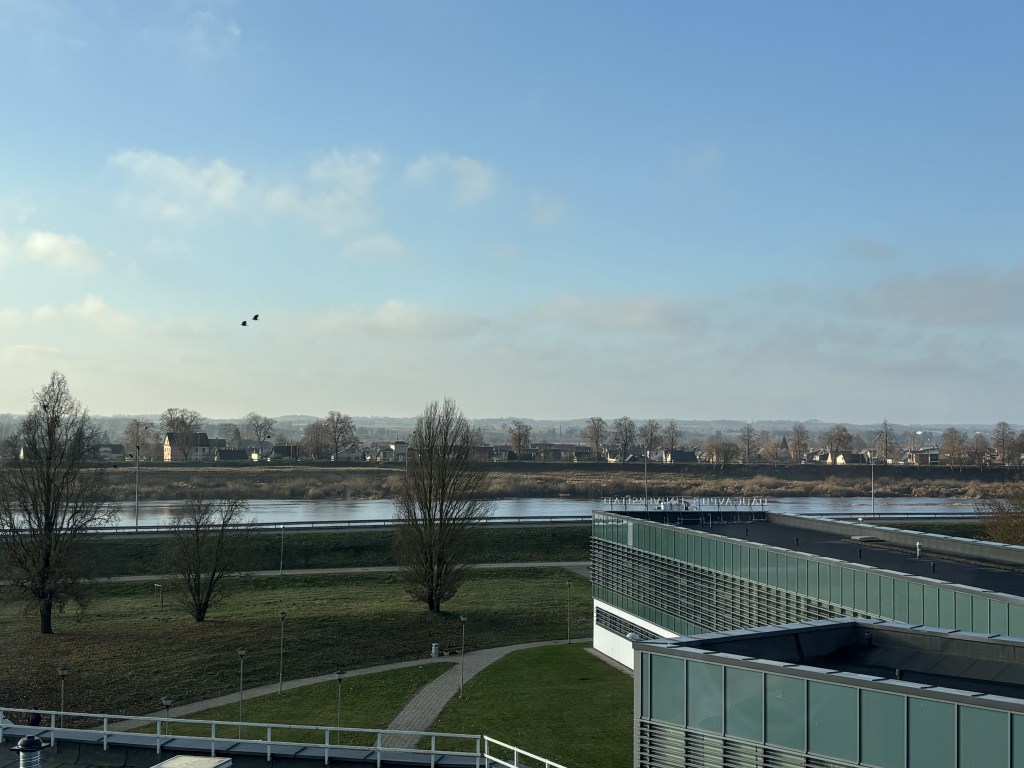
Looking north and west toward the Daugava River from my office in “The New Building,” at Daugavpils University. I hold lunchtime conversation classes here. (Daugavpils, Latvia)
Looking out from a synagogue window. At the Green Synagogue (1845), one of the oldest wooden structures in the city of Rezekne, population 27,000. (Latvia)
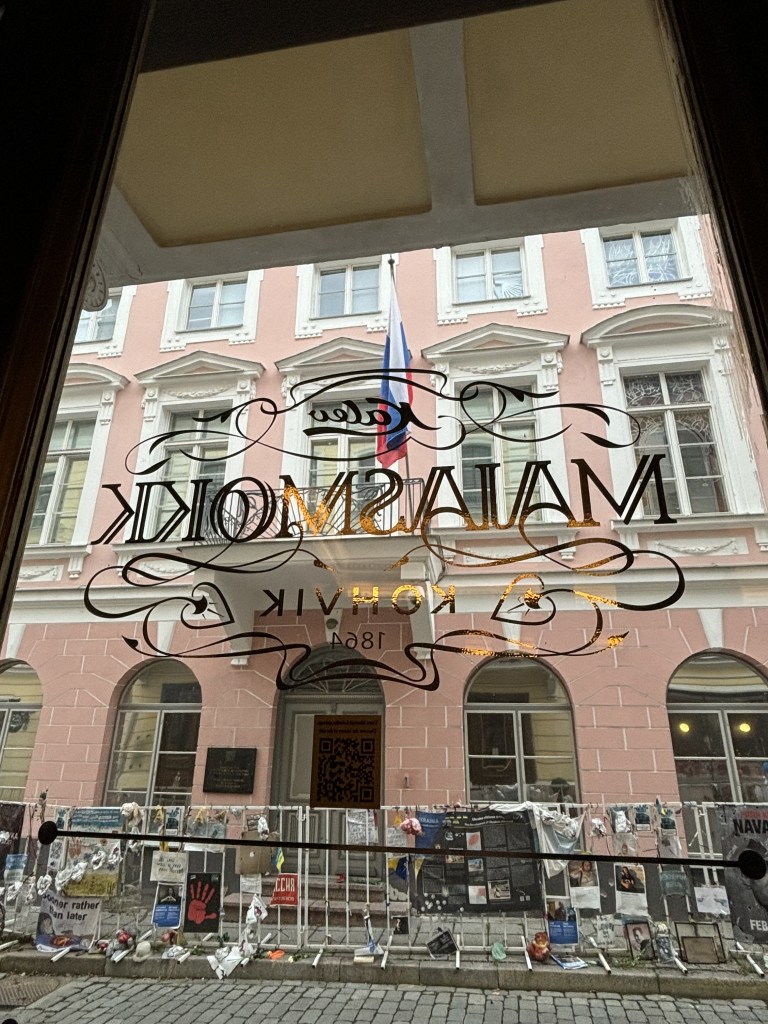
From the window of Tallinn’s oldest coffee shop, Cafe Maiasmokk (circa 1864). That’s the Russian Embassy across the street–note the protest paraphernalia. (Tallinn, Estonia)

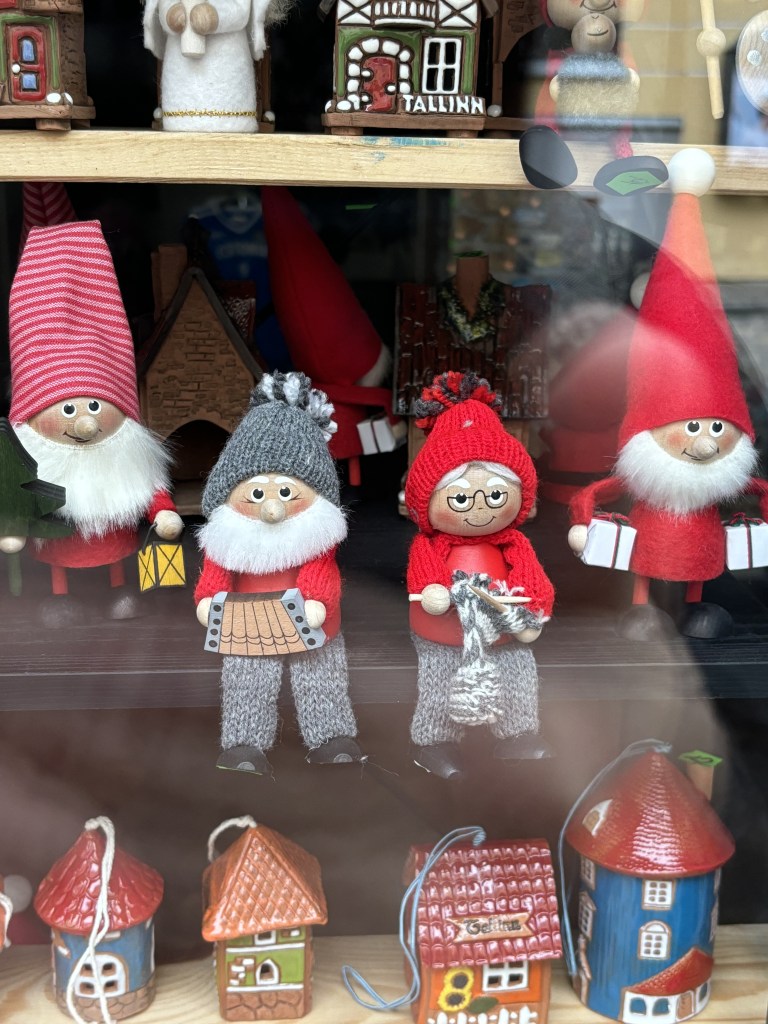
Christmas window of shop in the Old Town. (Tallinn, Estonia)

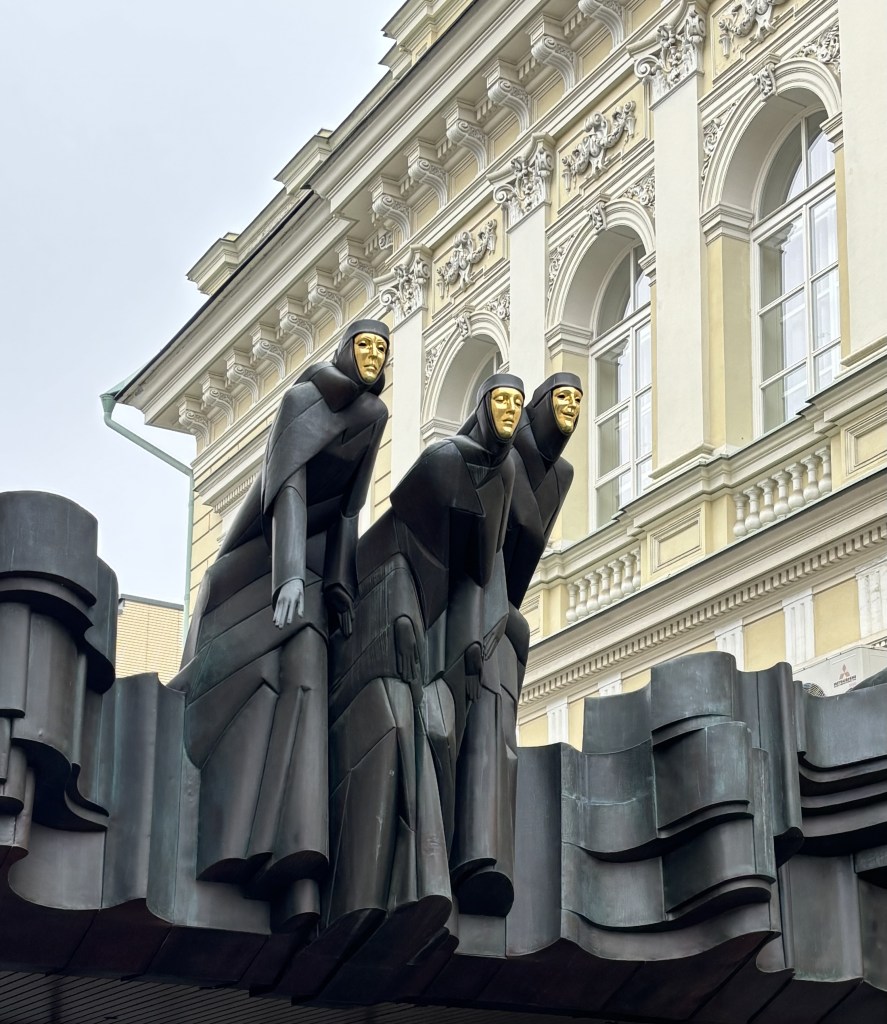
Windows overlooking nuns. Location of the Vilnius Theater. (Vilnius, Lithuania)
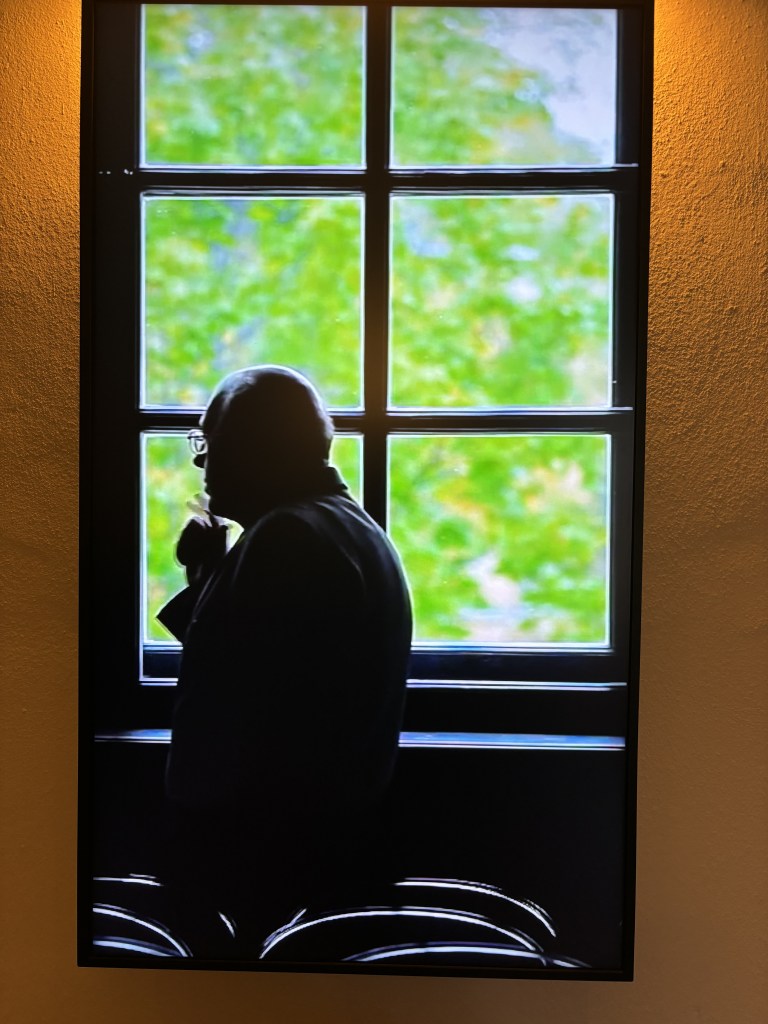
Artist Mark Rothko, born in Daugavpils, Latvia, stands near a window, shortly before his death. There is a marvelous art museum in his name here in Daugavpils.
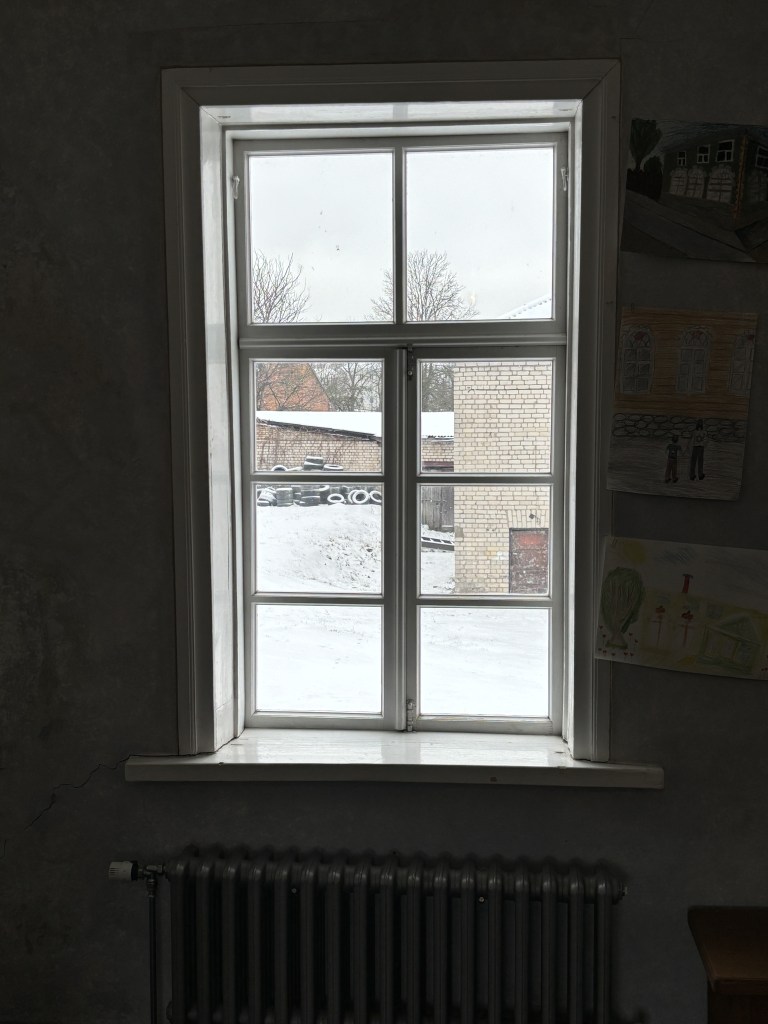
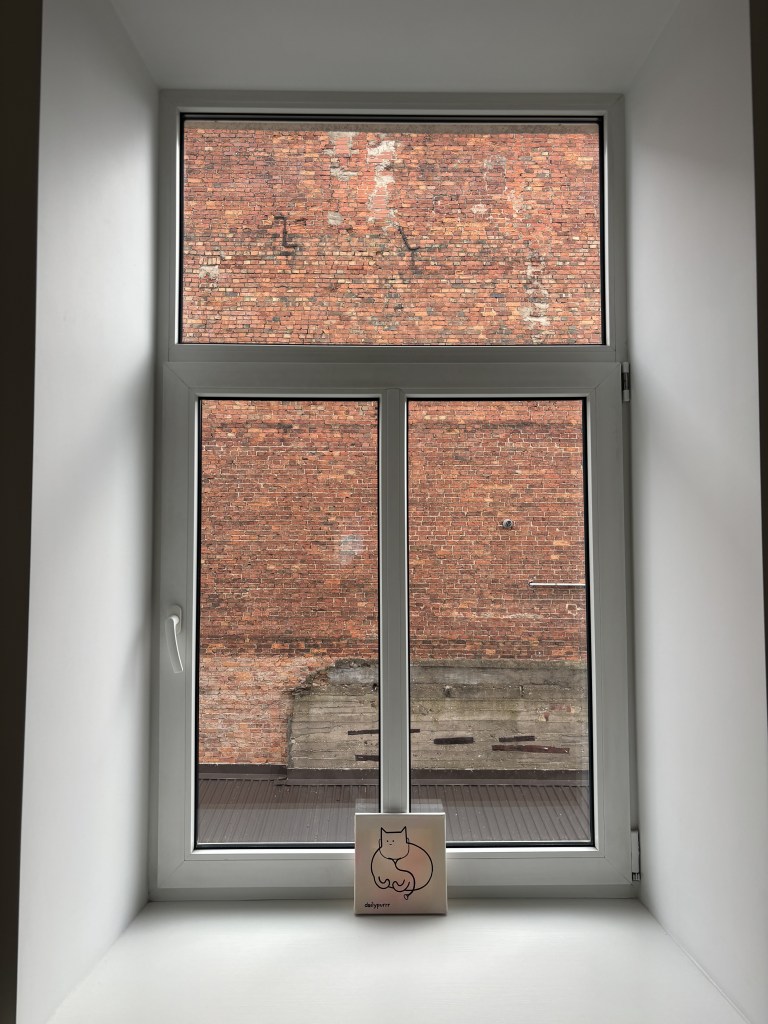
View from the window of a recently renovated flat in Daugavpils, Latvia
Windows reflecting a brilliant Tallinn sunset. (Tallinn, Estonia)
Standard