
Places like Rezekne remind us to see beauty and opportunity in the mundane moments of life, rather than constantly chasing after the next big thing. They remind us that there is value in slowing down and appreciating the journey. (Paraphrasing Jeff Goins, author of “The In-Between”)
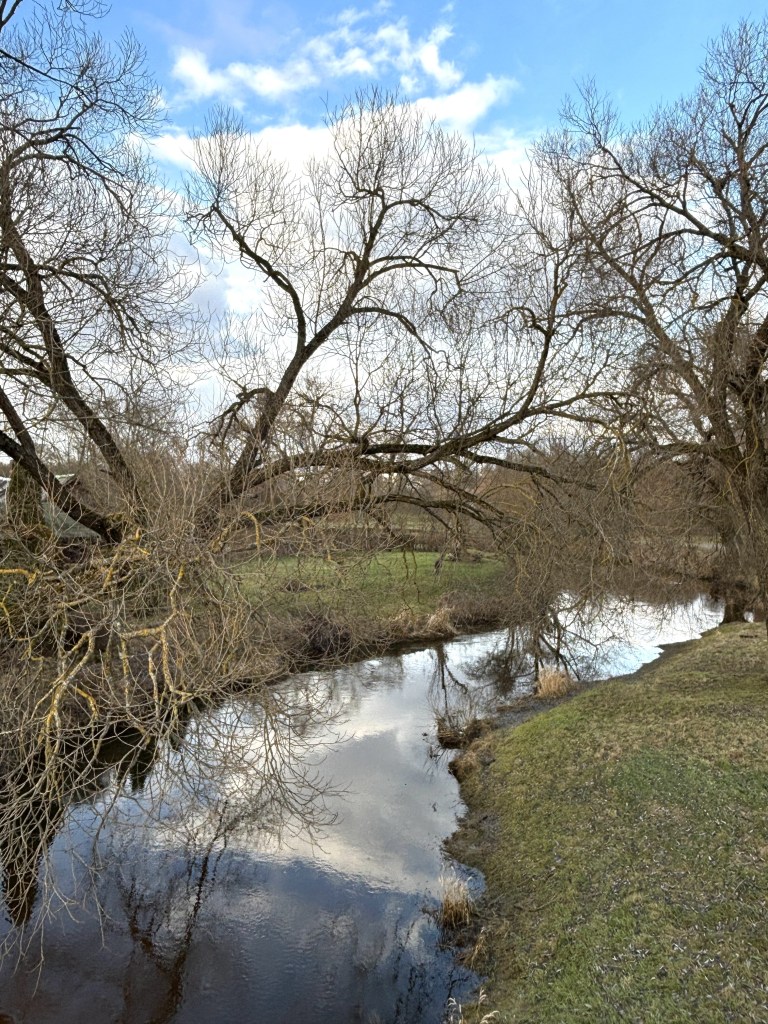
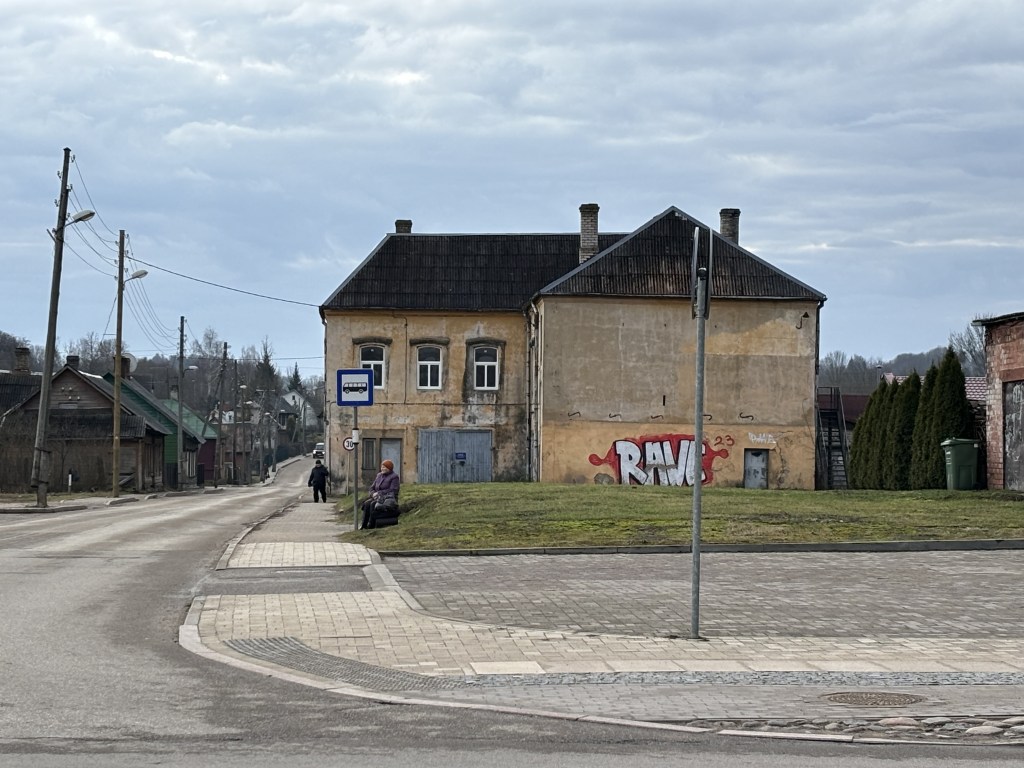
Well known cities like Seoul, Tokyo and London are immediately recognizable and bring iconic images to mind: man-made canyons of gleaming buildings, long steel bridges, and streets almost comically teeming with people. Then there are the places in-between, the oft-ignored stops along train lines, the towns with awkwardly paved streets, where the smell of homes still heating with wood or coal fills the air. Locals are apt to still speak an old dialect from centuries past, and to move with a patient gait knowing that whatever is around the next corner will inevitably wait.
Rezekne in Latvia’s eastern-most Latgale Region, built on 7-small hills, is such a place. An old city, lying only 39-miles from the Russian border, it was once part of the Pale of Settlement, the large area in western Russia where Jews were once permitted to live and prosper in relative peace. In the late 19th century the city was 60% Jewish, and as late as 1935, the population was a quarter Jewish.
On a recent overcast Friday, I took the bus from Daugavpils, where I teach English, and about 2-hours later arrived in Rezekne with a plan to meet Elina, the city’s Tourism Information Specialist. Speaking fluent English and well-versed in history, Elina met me outside the Green Synagogue located on Israel Street in the city’s Old Town. The Synagogue, she tells me, and the surrounding neighborhood, were miraculously spared from the intense bombing inflicted by the Russians during World War II. In fact, nearly 70% of the buildings in Rezekne were destroyed.
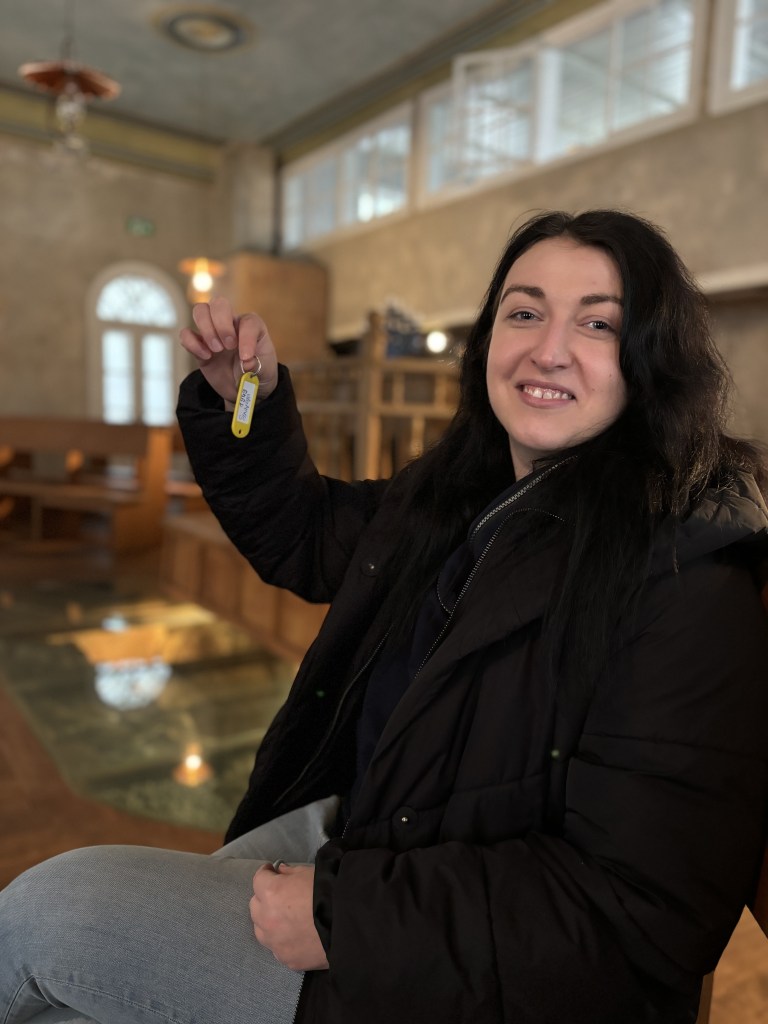
Elina, holds the keys to the synagogue, and so too, the historic details of the city, which she unfolds like the pages of a novel. After carefully leading me through the several rooms in the synagogue, which dates from 1846, she escorts me past the nearby buildings. She points to the former Jewish Bank, a modest but handsome brick building across the street. A minute later she directs my attention to an old fire house, once staffed with Jewish firemen who, she says, famously doubled as town musicians.

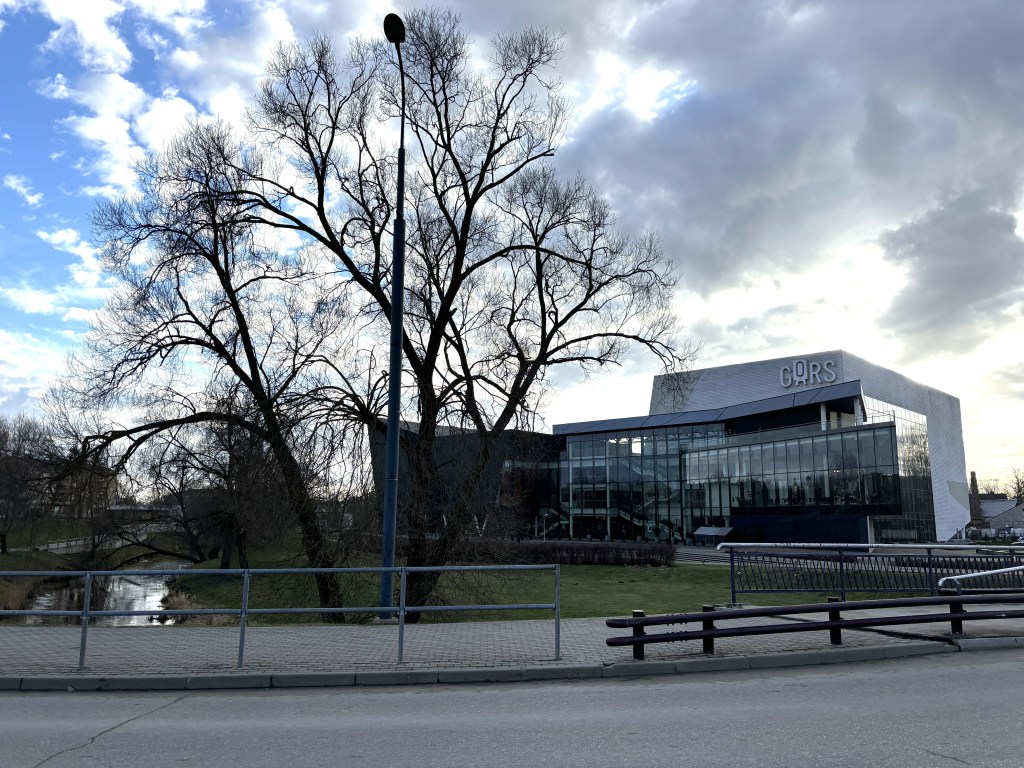
Having previously seen the city’s new Center of Culture, GORS, well-regarded across Latvia, I know the city is being proactive about trying to make itself a sustainable city. Smaller cities such as Daugavpils and Rezekne, like similarly-sized cities throughout the world, are confronting shrinking and aging populations. Their younger citizens are heading to the big more dynamic cities like the capital, Riga, here in Latvia. Just a few years ago, to invest in its heritage and to attract more tourists, the city hired a Norwegian team to come and restore the Green Synagogue which had remained in disrepair and unused, except for a few homeless souls, for some time. It’s that pride in itself and its history that left me rather impressed.
Unlike other places I’ve visited in Europe, the locals here did not take up arms to rid the city of its Jewish population. Elina vividly described to me the proud relationship between the Catholic and Jewish communities that once existed here. At the top of the hill, she says, is the double-spired Cathedral of the Holy Jesus Heart. The Jews would honor their Sabbath on Saturday and the town would be quiet. But on Sunday, as the worshippers left church, they would walk down the hill past blocks of Jewish-owned stores selling everything imaginable. There was a special energy in the air as sellers and buyers filled the main street with an excitement that symbolized the best the community had to offer.
It’s places like Rezekne, the towns and cities in-between, that quietly insist we slow down and listen to their history. In many ways, it’s likely they hold the most important lessons for our future.

 Short Talks Through a Wide World