
We get called to adventures in different ways.
My DNA is forever paired with water. Schuit, my surname, literally is a small Dutch boat. I suspect that when Napoleon invaded Holland and required all families to “modernize” by having both first and family names, my ancestors took the name Schuit because their livelihood was inextricably woven with the sea–the sea that both empowered and regularly flooded that small country.
I’ve always lived within a stone’s throw of water. I was born and raised in New York City’s waterfront neighborhoods of Bay Ridge and Bensonhurst in Brooklyn. Later, we moved to Merrick on Long Island where several of my friends lived on the water and as teenagers had their own boats. Today, we call Peaks Island in Maine our home. We’re one of several hundred families that take a ferry to and from the mainland on a regular basis, our fortunes tied directly to the tides and prevailing winds.
So, it wasn’t especially unusual when, as we walked the Camino de Santiago across northern Spain in 2017, a fellow pilgrim mentioned Lake Balaton. Csabi (Chubby) asked about a knee sleeve I had wrapped around one of my legs and my tendency to stop every hour or two to ice my knee. I told him I was about to undergo knee surgery once I completed the Camino and hoped to make a successful transition from jogging to biking as my go-to exercise regimen.
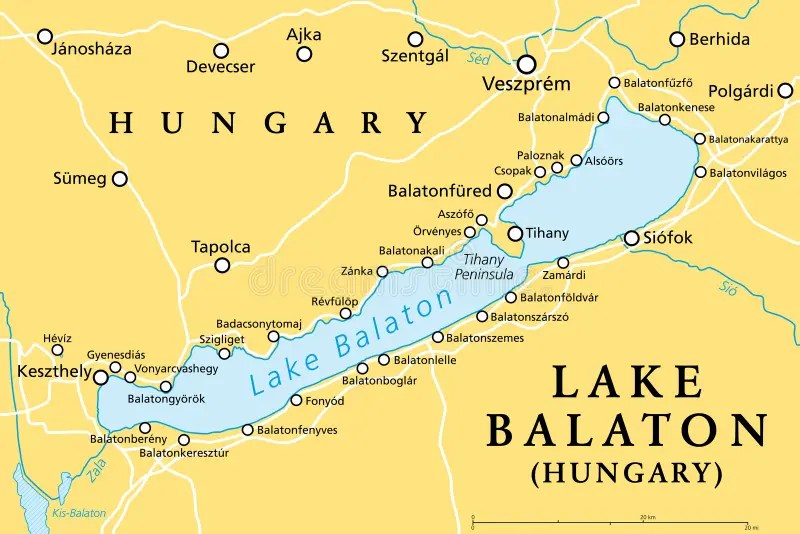
“Ever hear of Lake Balaton in Hungary?” he asked. Though I prided myself on my knowledge of geography, I had to admit that I hadn’t. This Hungarian native insisted that a big, beautiful lake in central Hungary awaited me when my knee was healed. And to add to the serendipity that often finds its way to travelers, shortly after I received an offer to teach English in, of all places, Budapest, Hungary.
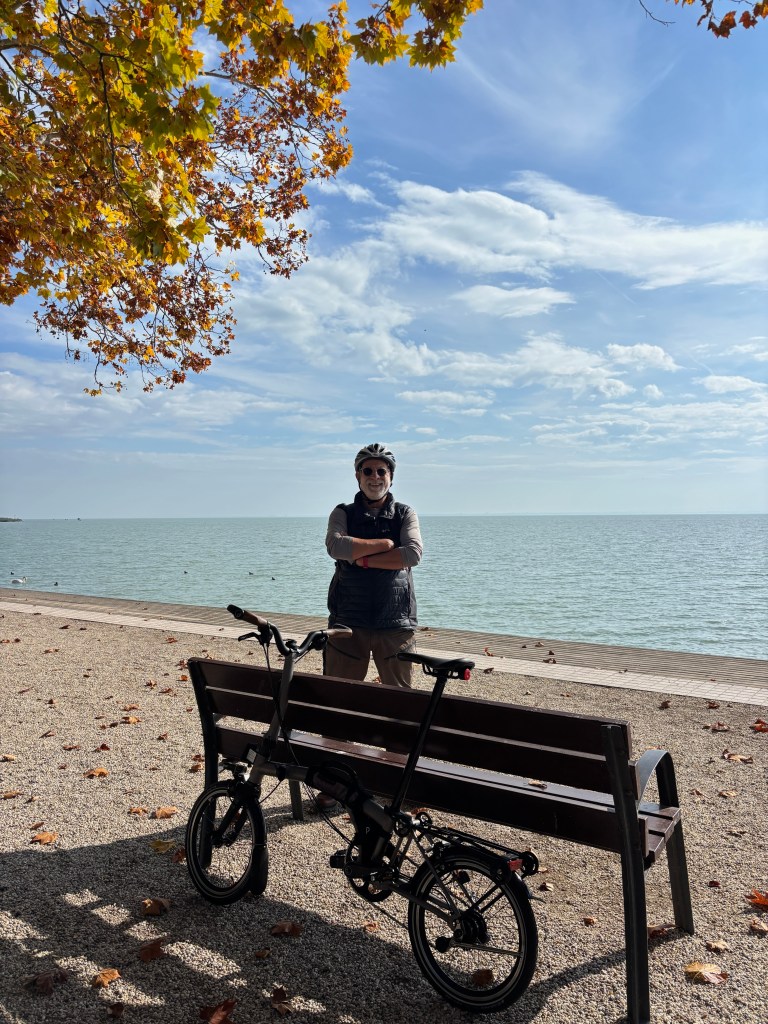
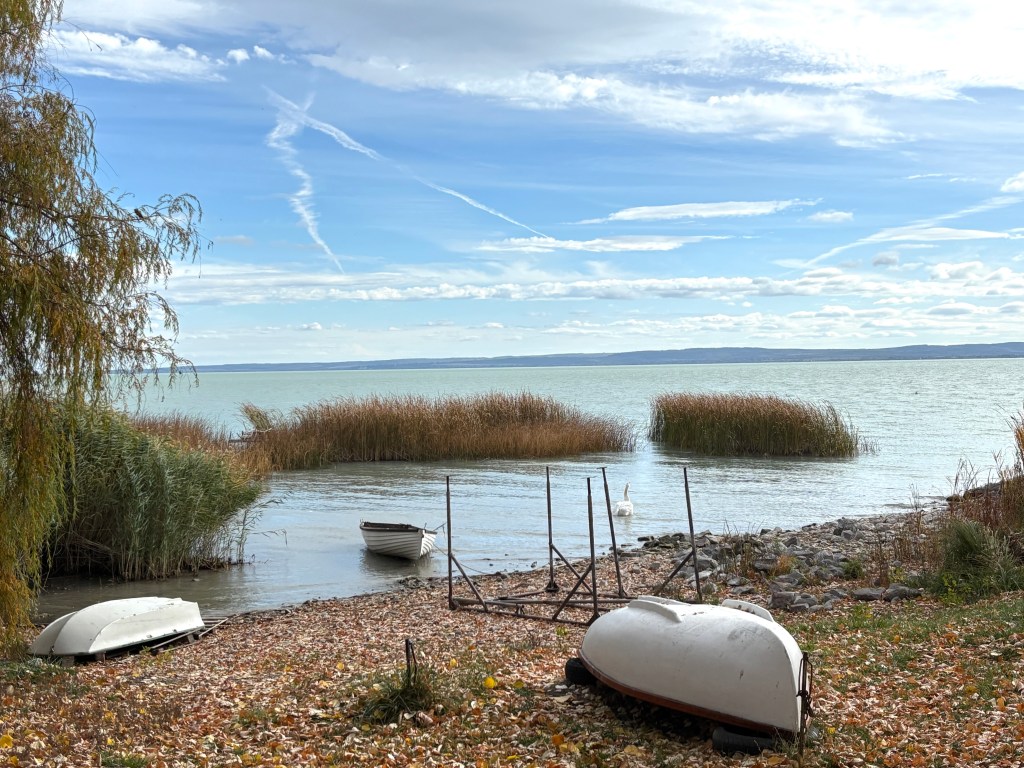
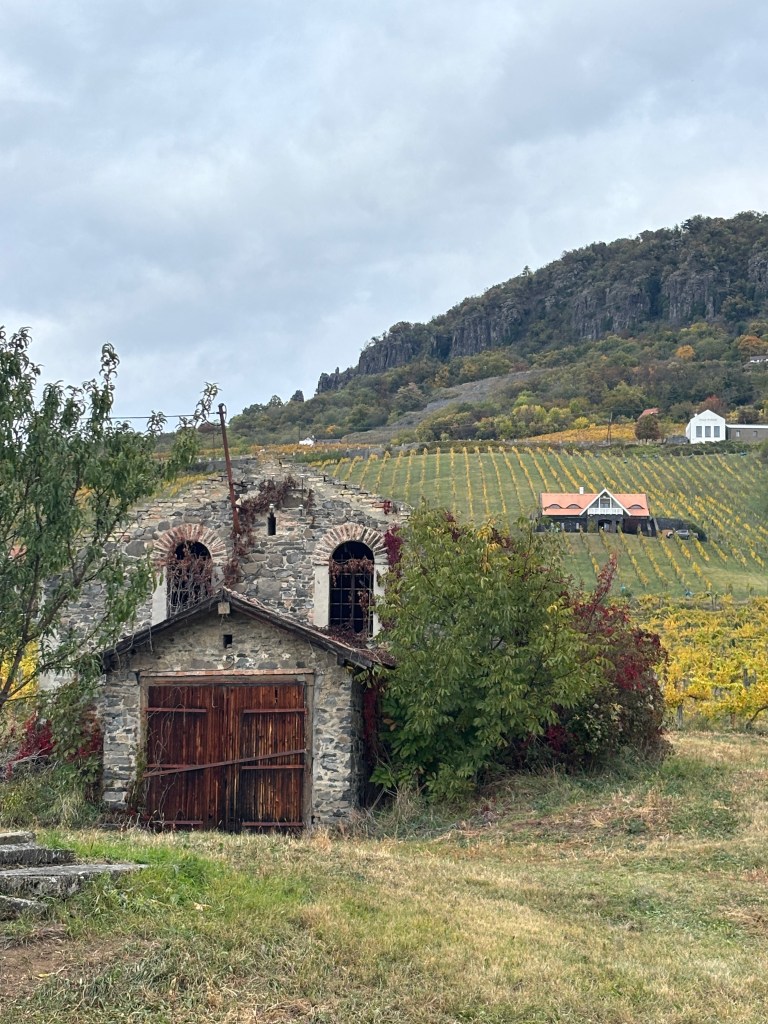
I have since biked around Lake Balaton three times on one of my Bromptons–a British folding bike. A folding bike sacrifices little in terms of efficiency and comfort and, at the same time, allows for easy traveling given that it folds up to roughly one-third its size and can be transported in a hard case almost anywhere in the world. One can enjoyably bike around the 150-mile circumference of the lake at one’s own pace traveling through wine country, past small Hungarian villages and wildlife refuges along the shores of a beautiful pastel-blue lake–all while being caressed by a well-maintained bike lane. It makes for some of the most enjoyable biking I have had the pleasure to experience.
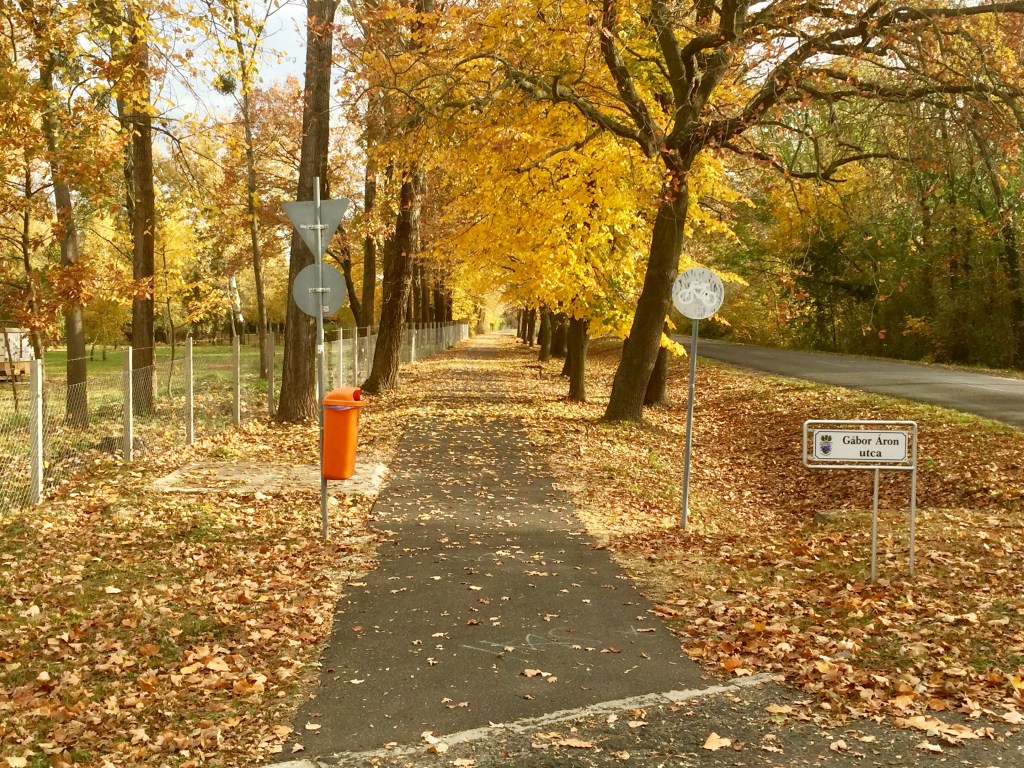
So it hit me. Where else in the world can I find such natural generosity? Two other lakes came to mind–both the largest lakes in their respective countries: Lake Biwa in Japan, and Lake Chapala in Mexico. So, let’s consider these biking opportunities and how they compare to biking Lake Balaton, Central Europe’s largest lake.
| Feature/Lake | BIWA (Japan) | CHAPALA (Mexico) | BALATON (Hungary) |
| Area | 260 sq. miles | 420 sq. miles | 229 sq. miles |
| Age | 4-million years old | 38,000 years old | 16,000 years old |
| Shore Length | 146 miles | 166 miles | 150 miles |
| Maximum Depth | 341 feet | 34 feet | 40 feet |
| Easily Circumnavigated by Bike? | Yes | No* | Yes |
| Water Condition | Clean. Drinking water for the city of Kyoto. | Polluted. | Fairly Clean |
*The north shore of Lake Chapala has a bike path which runs parallel to the lake. It runs from the town of Jocotepec on the northwestern end of the lake, through Ajijic, and continues to the city of Chapala on the north central shore of Lake Chapala.
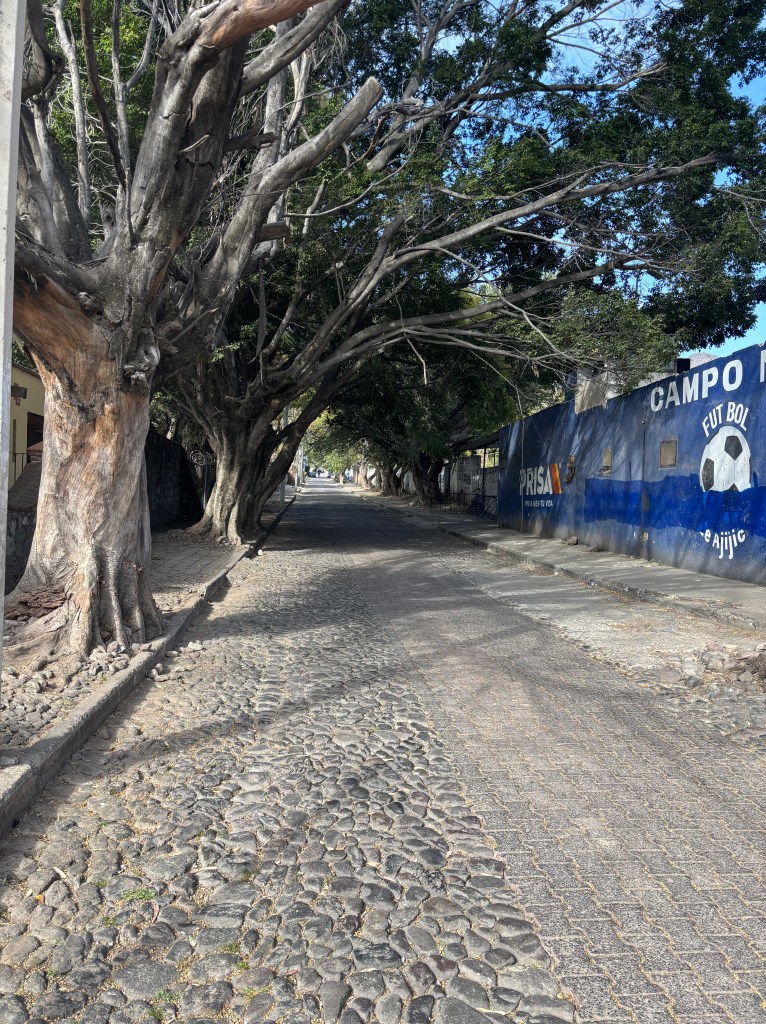
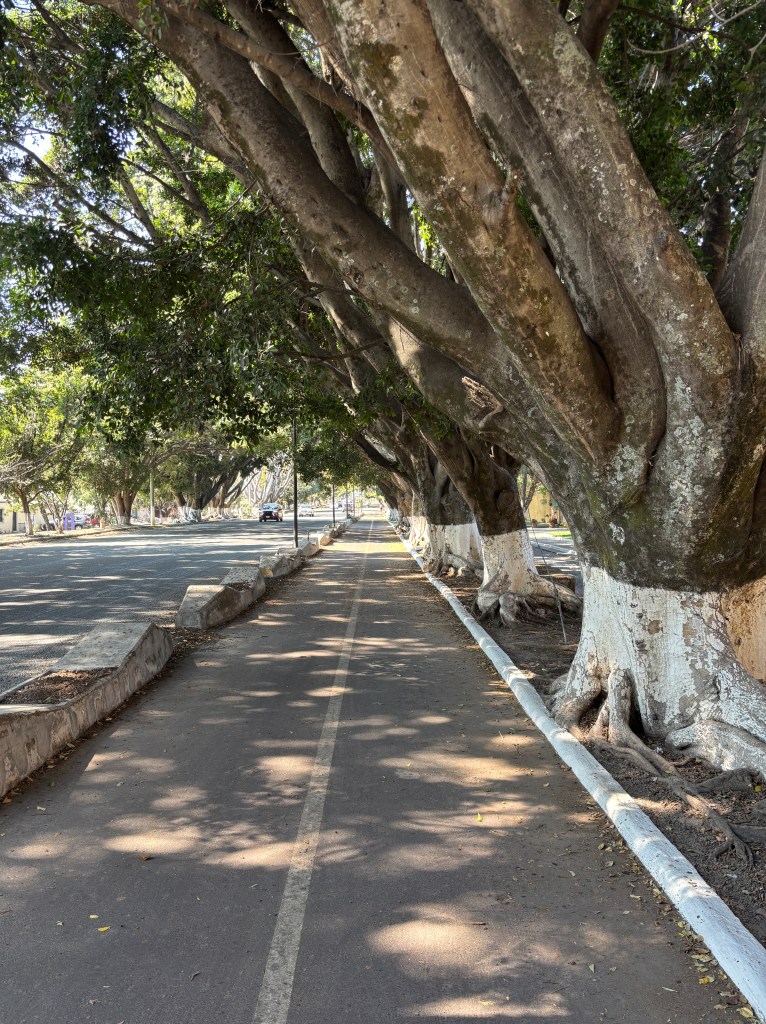
A fairly new bike path runs across about half the length of the north shore of Lake Chapala in Mexico. The nearly constant sun glistens off the surface of the beautiful lake. White Pelicans along with other varieties of ducks and birds can be seen everywhere here. Sadly however, the lake is polluted by chemicals from agricultural runoff and a dirty river flowing down from Guadalajara. Once you find a way to navigate the countless cobblestone streets and get yourself to the bike path running from Jocotepec in the northwest to the city of Chapala, the biking is smoother and safer. Chapala has a wonderful waterfront malecon filled with vendors, visitors and locals. But biking around the rest of the lake is currently problematic as Mexico generally is not bike-friendly.
Lake Biwa, Japan’s largest lake, is an older and much deeper body of water than either Lake Balaton or Chapala. It provides drinking water to the Kyoto area, that city having been Japan’s capital until 1861. While all three lakes have a surprisingly similar circumference of about 150-miles, Lake Biwa seems to be especially bike friendly. Vlogger, Jitensha Adventures, describes her 4-day circumnavigation of Biwa, presenting maps of their 4-day trip featuring stays in guest houses and stops in restaurants along the way. While I can’t speak personally about biking Lake Biwa, I have visited Japan many times over the years both as a tourist and as a trekker. I am attracted to Japan’s respect for nature and well-orchestrated rituals of efficiency, organization and cleanliness. I once walked the streets of Kyoto looking for one stray cigarette butt and was unable to find any.
Johnny Z. Lee, another biking vlogger, offers his perspective on biking Biwa, describing the quality of the bike lanes he encountered on his swing through Biwa. His biking is faster and more aggressive than that of Jitensha and her biking partner.
My personal approach to biking is more akin to the turtle in the old fable of the hare vs. the tortoise. I average about 30-40 miles a day, making frequent stops whenever a view, old square, or coffee shop calls out my name.I usually book my stay in advance and scout out nearby eating places that would likely reward my day’s biking efforts. I smile as bikers in lycra whiz past me striving to bike around Lake Balaton in one-day. I take 3 1/2 days as I savor the details of nooks and crannies and the insights I can glean from conversations with locals.
Balaton, Chapala and Biwa are the largest lakes in their respective countries. Interestingly, they are similar in size. But they are more different than they are similar. Balaton and Biwa offer significantly more bike-friendly experiences. They are also cleaner bodies of water. Balaton’s north shore features wine vineyards, while Biwa offers shrines and temples for contemplative interludes.
Perhaps these lakes call out to you too. My Dutch DNA and folding bikes are always at the ready. I can go only so long without having a plan to bike a brilliant body of water. Lakes Balaton, Biwa and Chapala all await. Biwa seems to be calling me next. I’m an easy sell.

 Short Talks Through a Wide World