Abandonment

“I am not so different in my history of abandonment from anyone else after all. We have all been split away from the earth, each other, ourselves.”

Susan Griffin

A once proud Polish military hospital stands empty on the grounds of an old fortress here in Daugavpils

Abandonment. It’s an unmistakeable and striking feature here in Daugavpils, Latvia. The city is dotted with a large number of unoccupied or abandoned buildings. In other places I know, Portland, Maine, or Budapest, Hungary, for example, these properties would occupy the dreams of developers. Not so here, with a continuously shrinking population and lower average incomes than in other parts of Latvia.
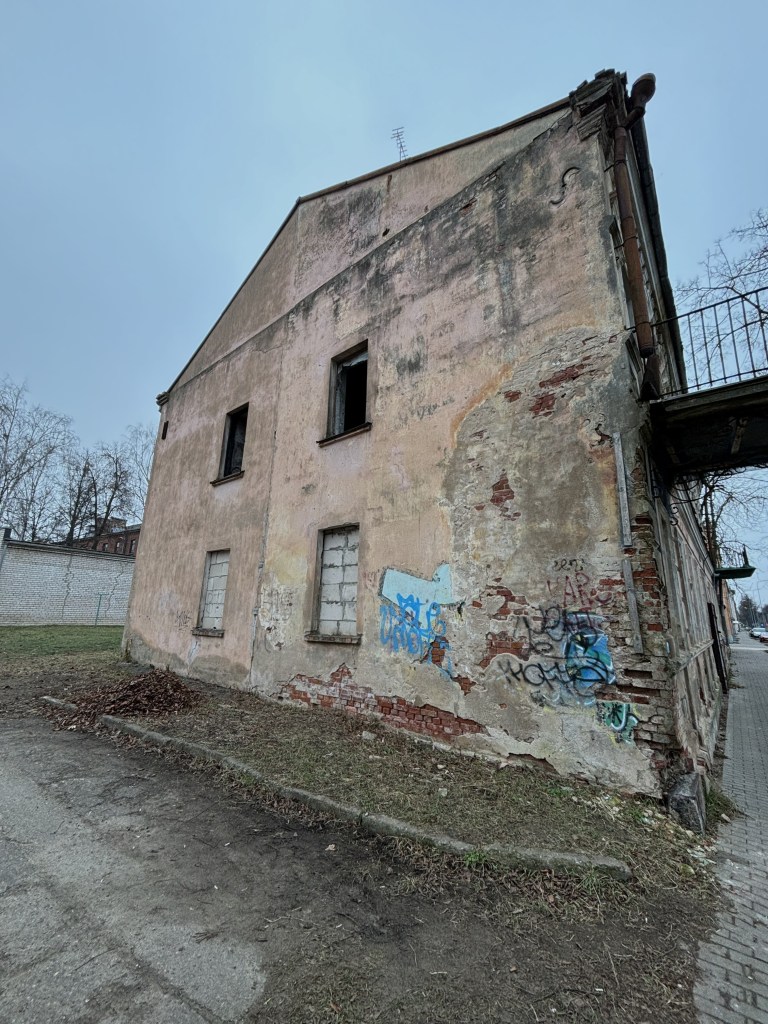
This building stands on November 18th Street-an address honoring Latvia’s Independence Day

Since the Russians departed in the early 1990’s, the factories have withered, and the belts, tightened. But hopefully, the once more vibrant and prosperous past here, is, as Shakespeare said in his play, The Tempest, prologue.

Even in their emptiness, even in their solitude, there is a kind of steadfast beauty and quiet promise of hope.

Flowers, perhaps a sign of hope, adorn this window ledge in an otherwise abandoned neighborhood
Standard

A Powerful Memorial Stands in a Quiet Forest in Eastern Latvia

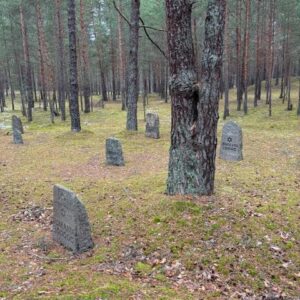
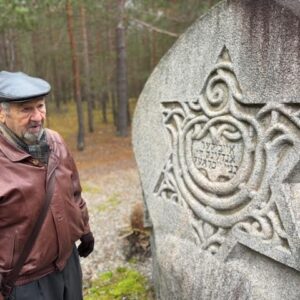
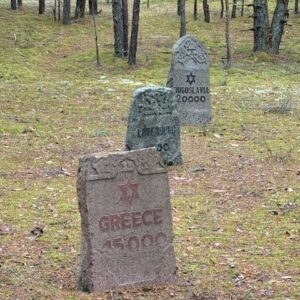
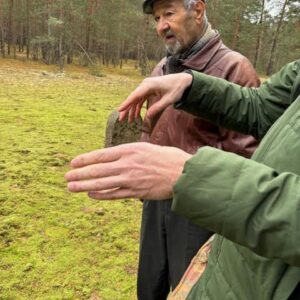
One of the most precious gifts we receive as State Department English Language Fellows is the opportunity to visit off-the-beaten-path places that lie at the heart of a place’s history and culture…Such was my experience yesterday in a sparse forest just west of our little city of Daugavpils, Latvia. We were introduced to this Memorial to all the Jews killed in Europe, by Anatoly Fishil, 87, a respected local civic leader and member of the small Jewish community here. Each country is represented by an 18th-century headstone of a Jewish person, whose own grave had been bulldozed-over by the former authorities here. Our guide personally created this memorial in 1991, 33-years to the day of our visit. We stood here yesterday, cold, awe-struck and emotionally humbled. Anatoly has his own amazing story of origin, survival, and, as this Memorial implies, incomparable generosity.

Anatoly Fishil, 87, a Daugavpils civic leader and Jewish elder, guides us at the forest Memorial
17th Century Jewish headstones were saved from a demolished Jewish cemetery and given a new life here
Mr. Fishil, describes the history of the Memorial he created in 1991, by sharing one amazing story after another
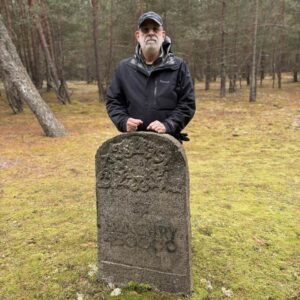
A somber moment for me; this headstone reads “Hungary 450,000.” That’s the number of Hungarian Jews killed in slightly over 4-months, just before the end of World War II
Standard