
There’s a kind of privilege to this circle. From a remote, little known community in Latvia, to a city on America’s west coast known for its roses and weirdness, I have followed the unlikely path of artist Mark Rothko.
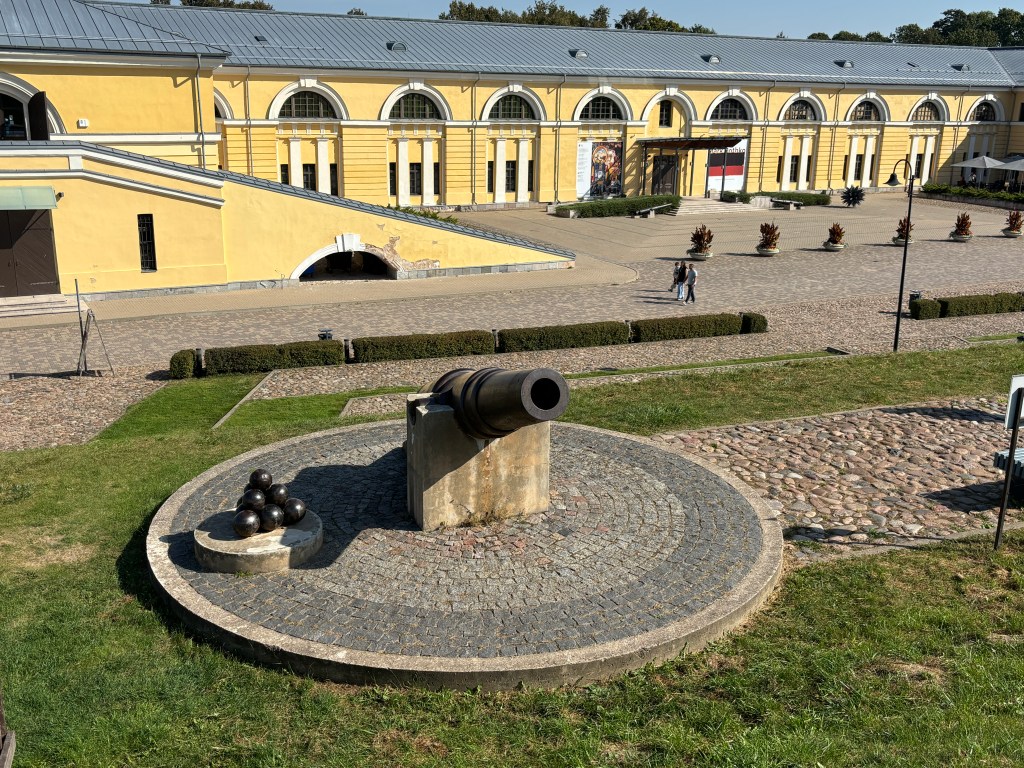
Part of the Russian Empire at the time of his birth, Daugavpils, Latvia, today is a quiet city only a few minutes from the Russian border, pot-marked by a surprising number of empty buildings. Riga Street, the local equivalent of Main Street, stretches for a half-dozen blocks from the university to the train station. Russian-style apartment buildings fill most of the side streets. But at the time of Rothko’s childhood, Daugavpils was a larger, more vibrant city, filled with many small, Jewish-owned businesses. One could find a Jewish synagogue on almost every block. And it was in this 1910 tableau of far western Russia that we find the family of Mark Rothko.
When his father received notice that he was about to be drafted into the Russian army, he departed for the U.S. His oldest sons too, would be ripe picking for service in the Russian army. So Rothko’s father first departed in 1910 and the rest of the family followed shortly after. Train rides clear across the United States brought the family to Portland, Oregon. Rothko attended high school in Portland and later studied art at Yale University on the U.S. East coast in New Haven, Connecticut. Shortly after, he settled in nearby New York City, joining the spirited art community there.
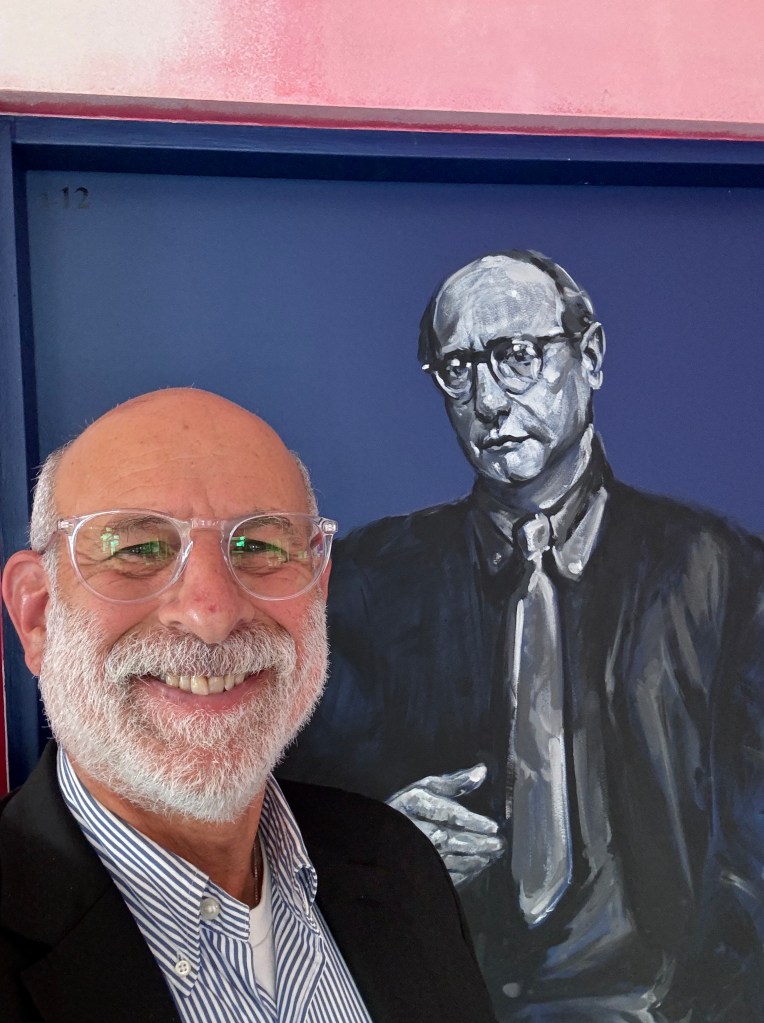
Serendipity introduced us to Mark Rothko. This past year an assignment by the State Department took me to Daugavpils University as an English Language Fellow. Perhaps the most interesting stop in that city is the Mark Rothko Art Center which we visited every few weeks. Two or three Rothko pieces were displayed on rotation regularly, while local artists were featured in varying accompanying exhibits. We loved the museum, a relative oasis in an otherwise quiet city of 70,000.

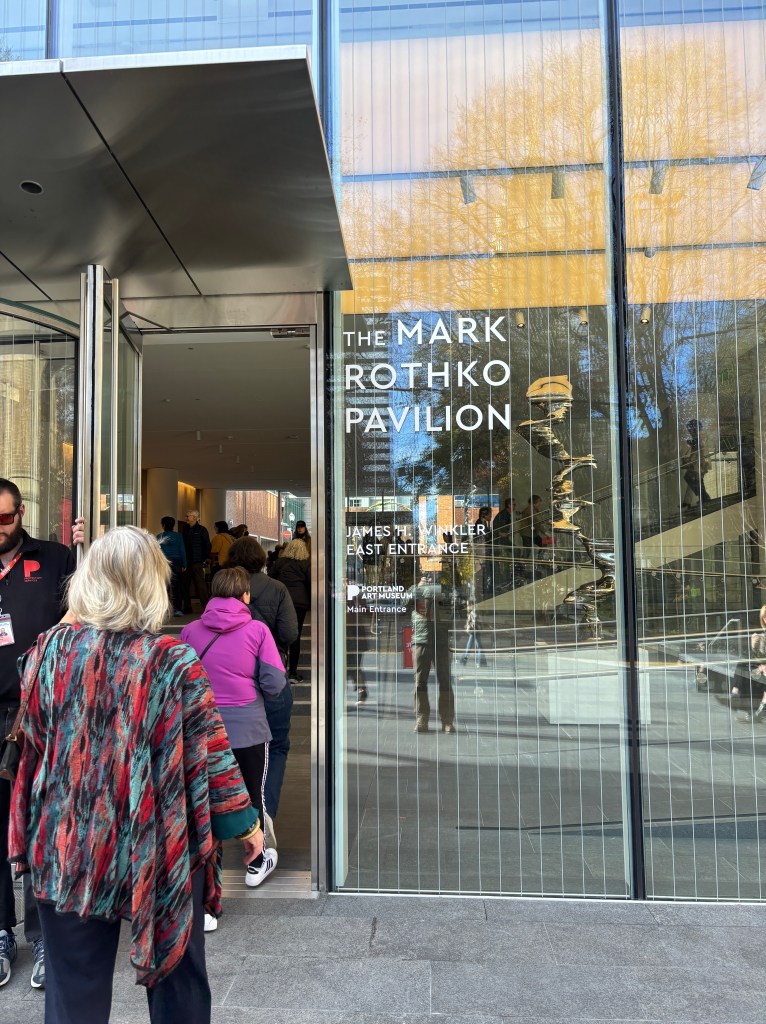
Months later we are spending much of the winter here in Portland, Oregon, visiting our son and his young family. It’s here that we witness the opening of the new Mark Rothko Pavilion in that city’s Portland Art Museum. A number of his signature pieces are on display. His striking work draws viewers like magnets. We had prints of his work on the walls of our flat in Latvia and they do nothing less than pull you in to their box-like flashes of color.

How does one view them? “Like a sunset,” is one interpretation I like. And like a sunset, there’s nothing much to explain. Just let yourself go and drift along amongst all the fascinating possibilities. Here’s a video that may provide some helpful scaffolding. Perhaps you’ll be introduced to this Mark Rothko for the first time.

 Short Talks Through a Wide World