
Does every question have an answer? “What is the boiling point of water?” Of course, the accepted answer is 212F/100C.
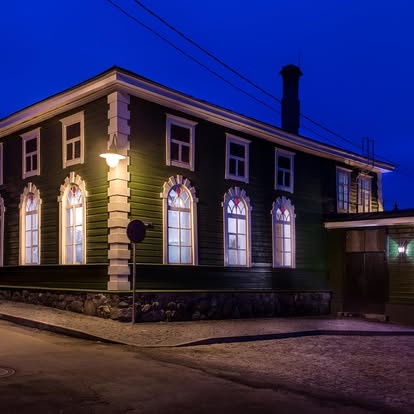
Why am I drawn almost magnetically to old synagogues in nearly every city I visit?
Since our recent journey to the Green Synagogue in remote Rezekne, Latvia, I have been pondering this question.
Well, as a Jew, feeling a need to visit synagogues would be a reasonable explanation. I am familiar with almost all the artifacts and rituals associated with a synagogue. Very little about them is “foreign” to me. Seeing a matzo oven on the ground floor of the Green Synagogue, while a pleasant surprise, is a familiar tradition. And yet, as I walked the Camino de Santiago the well-known pilgrimage across northern Spain, even being Jewish, I was often drawn to churches we passed along the way.
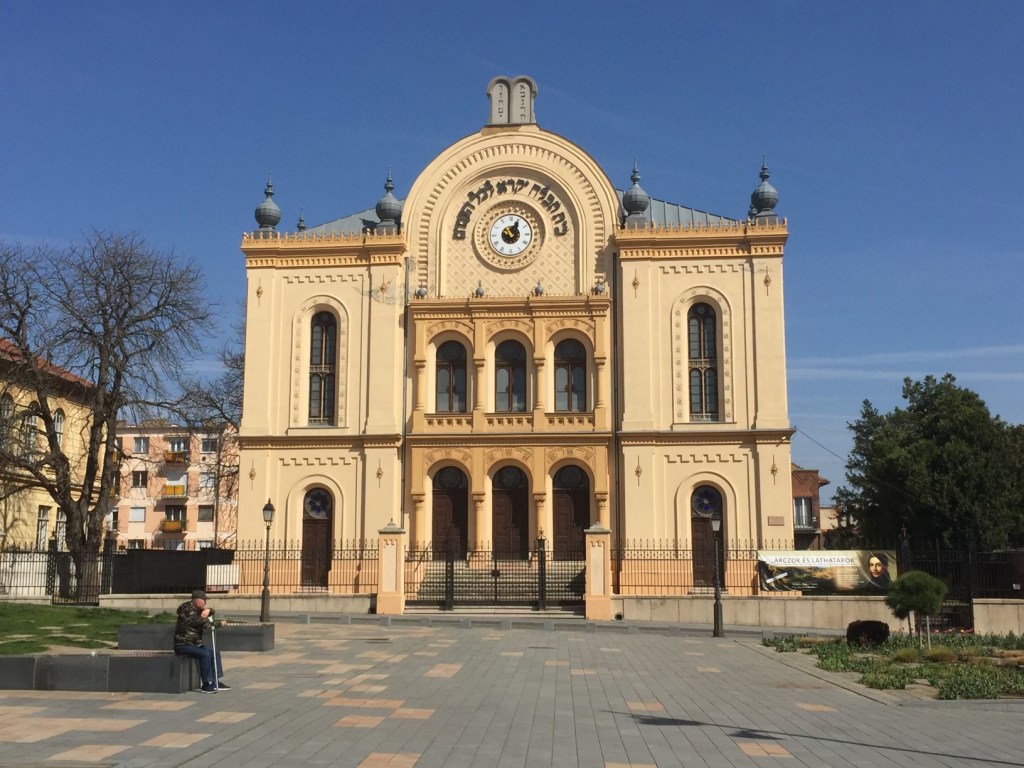
Perhaps being a history buff makes as much sense as any explanation. I majored in history in college and remain fascinated with the connections old buildings, like synagogues, have with the country, cities, and cultures I find them in. The old synagogue in Pecs, Hungary, is part of that country’s dark history of suffocating the Hungarian Jews out of existence in a relatively short time during World War II. But it’s much more complex than solely the historical connections.
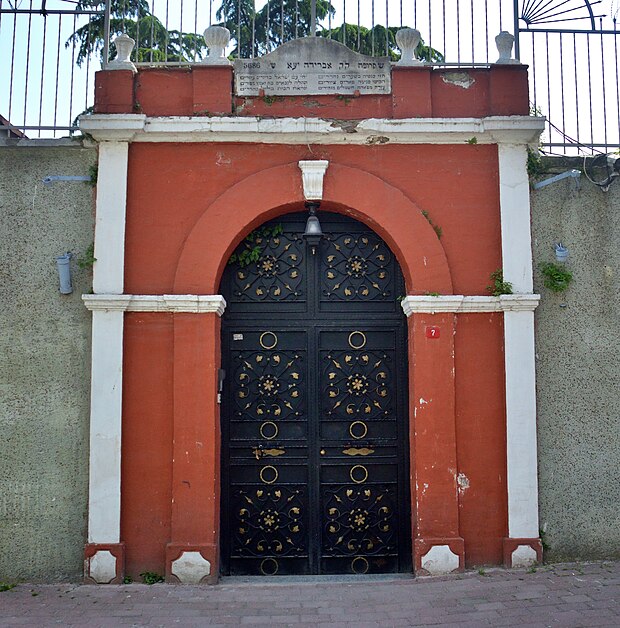
No, being a curious traveler is a much more reasonable explanation. Some of these old buildings have become world famous tourist destinations. The Ahrida Synagogue in the Fatih neighborhood in Istanbul, for example, was a stop on our tour in that Turkish city. It was built in 1430 as part of a then thriving Jewish community. My curiosity as a traveler was stopped in its tracks as I stood humbly in front of its ancient gate.
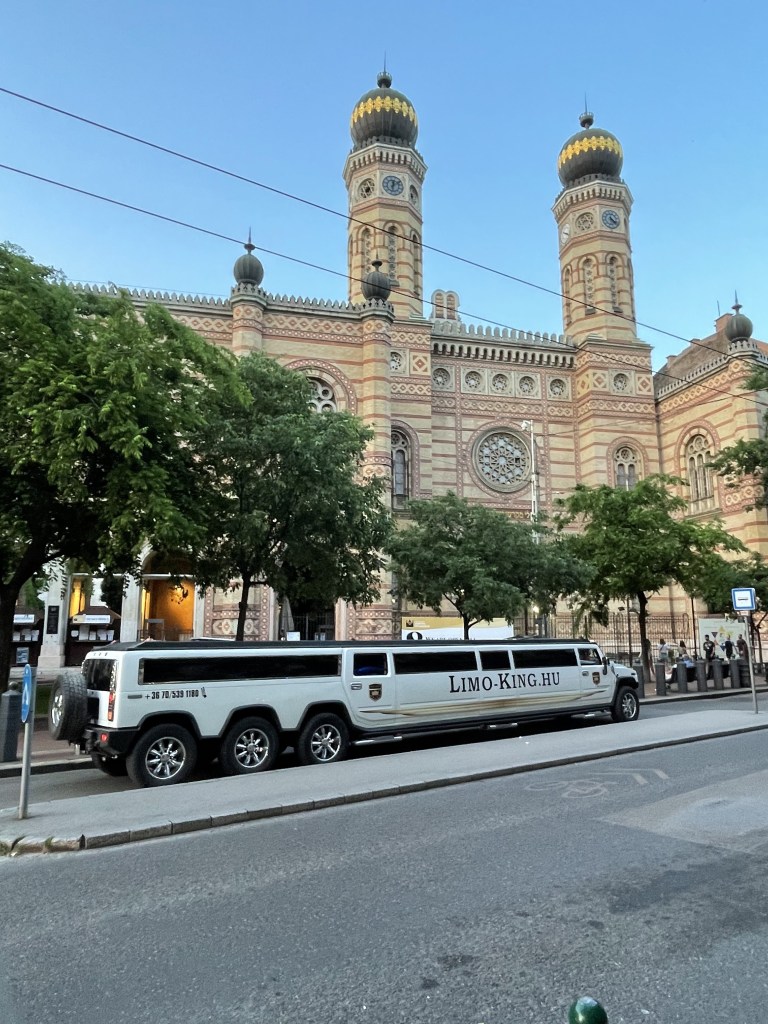
A traveler to Budapest can’t escape the overwhelming presence of the Dohany Synagogue in that amazing city so richly endowed with countless tourist destinations. It’s the world’s second-largest synagogue with an impressive seating capacity exceeding 3,000 people. Few travelers to Budapest miss stopping there.
I am drawn to synagogues for all these reasons and likely many more. But what I do know, is that I rarely connect to a place more intimately than I do through its synagogue. I feel part of their history–an intimate connection that often leaves me saddened when I depart.
Sad for what these old synagogues represent: once-vibrant communities that bloomed across most of Europe, now evaporated. Jewish people energized Budapest to the tune of 24% of its pre-World War II population. Vilnius, the capital of Lithuania, then nicknamed the “Jerusalem of the East,” once had 106 synagogues. Today, it has one. Cities and towns here in eastern Latvia had populations that were 50-60% Jewish. In the Rezekne of 1935, home of the Green Synagogue pictured above, 75% of all commercial businesses were owned by Jews.
So, why am I drawn to synagogues? Questions rarely have one simple answer. What is the boiling point of water? As we know, the boiling point of water is 100˚C and 212˚F, but alas, that’s only at sea level. Even for that one, there’s more than one answer…at different altitudes or pressures, the number is different. Answers to questions are always much more complicated than that.
 Short Talks Through a Wide World